
Representatives from a range of church and diocesan leadership roles gathered at St Benedict’s at the end of April (22 April) to hear about a series of initiatives that have been developed to help improve wellbeing and increase resilience across the Diocese of Rochester.
The seven pilot schemes are part of Cascade, a joint initiative between the Diocese of Rochester and the St Benedict’s Centre in West Malling, aimed at supporting those on the front line of leadership – lay and ordained - with their physical, relational, emotional, and spiritual wellbeing.
Launched last year, the project forms a key part of the diocesan Called Together vision which aims to grow a flourishing and well-resourced parish system with missional churches, missional leaders and missional disciples.
Bishop Simon Burton-Jones, Bishop of Tonbridge and Chair of the Cascade Steering Group, explains that Cascade was created because the wellbeing of lay and ordained leaders in the Church of England is vital to a thriving and flourishing Church:
“Yet the signs are that the physical and mental health of those in leadership in churches is being challenged by a range of factors, which are if anything, becoming more intense.
“The aim is to support leaders in their various roles, to help them find life in all its fulness. This would also enhance their already outstanding contribution to the many communities they serve and better enable them to enrich their communities in a positive way.”
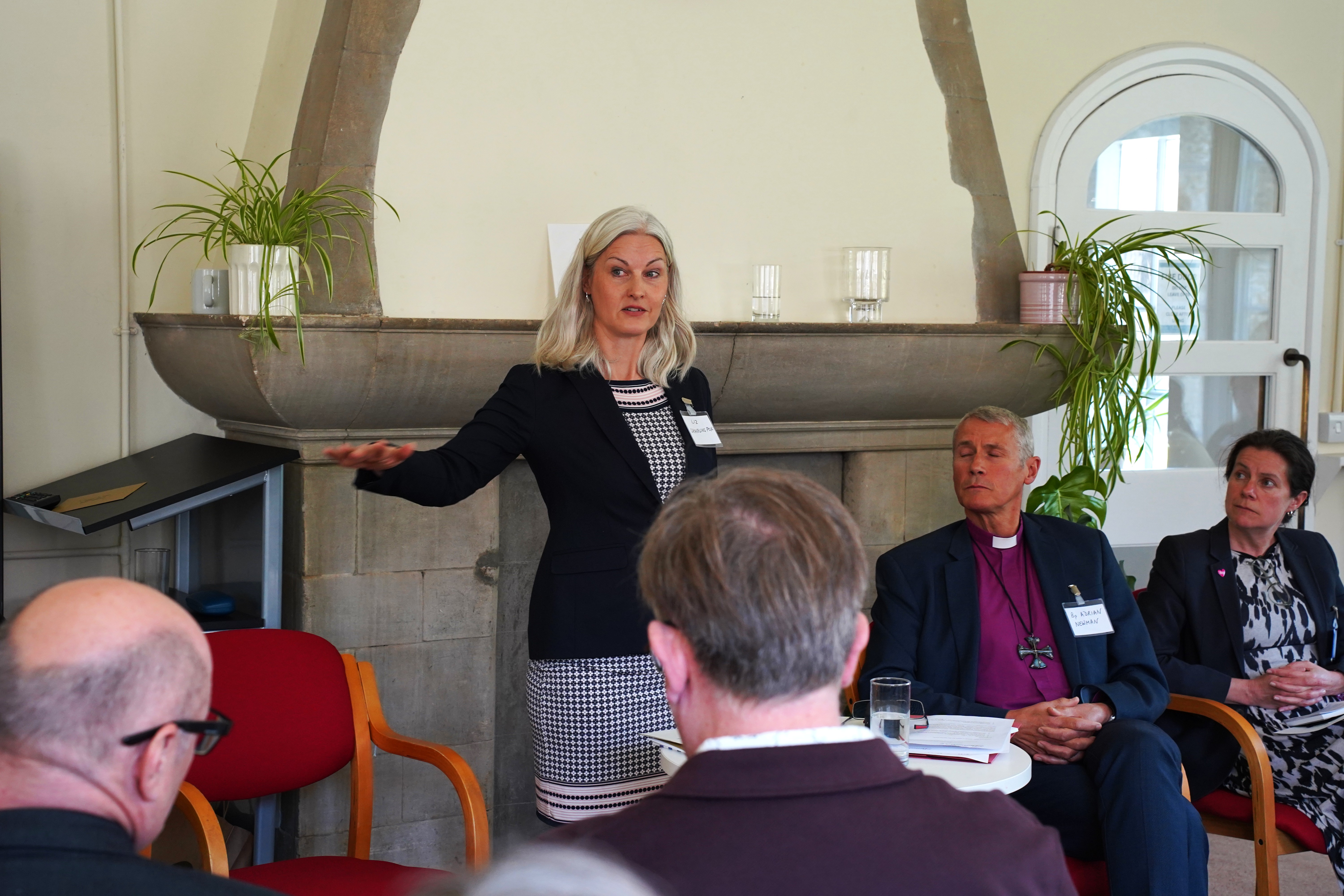
Photo: Liz Graveling Fox gave a keynote address on the National Church's Living Ministry research into clergy wellbeing
Funding from the Dorothy Kerin Trust enabled a development and research phase to ensure the voice of those who the project is designed to serve was heard and their support needs fully understood.
A questionnaire sent to clergy, clergy spouses, licensed lay ministers, youth workers, headteachers of church schools, chaplains, churchwardens, and diocesan and cathedral staff, received just over 400 responses, and a set of ‘listening groups’ were also carried out by a wellbeing consultant.
The consultations revealed that the biggest factors affecting wellbeing centred around work, including ‘not having enough time’, and ‘being over busy’.
Other notable pressures included family concerns such as caring responsibilities, health concerns and financial worries. The wider institutional challenges facing the Church of England were also mentioned as causing stress.
Fifty-six per cent of respondents said they had less than one hour a day to look after themselves during the day, with 10 per cent having no time at all.
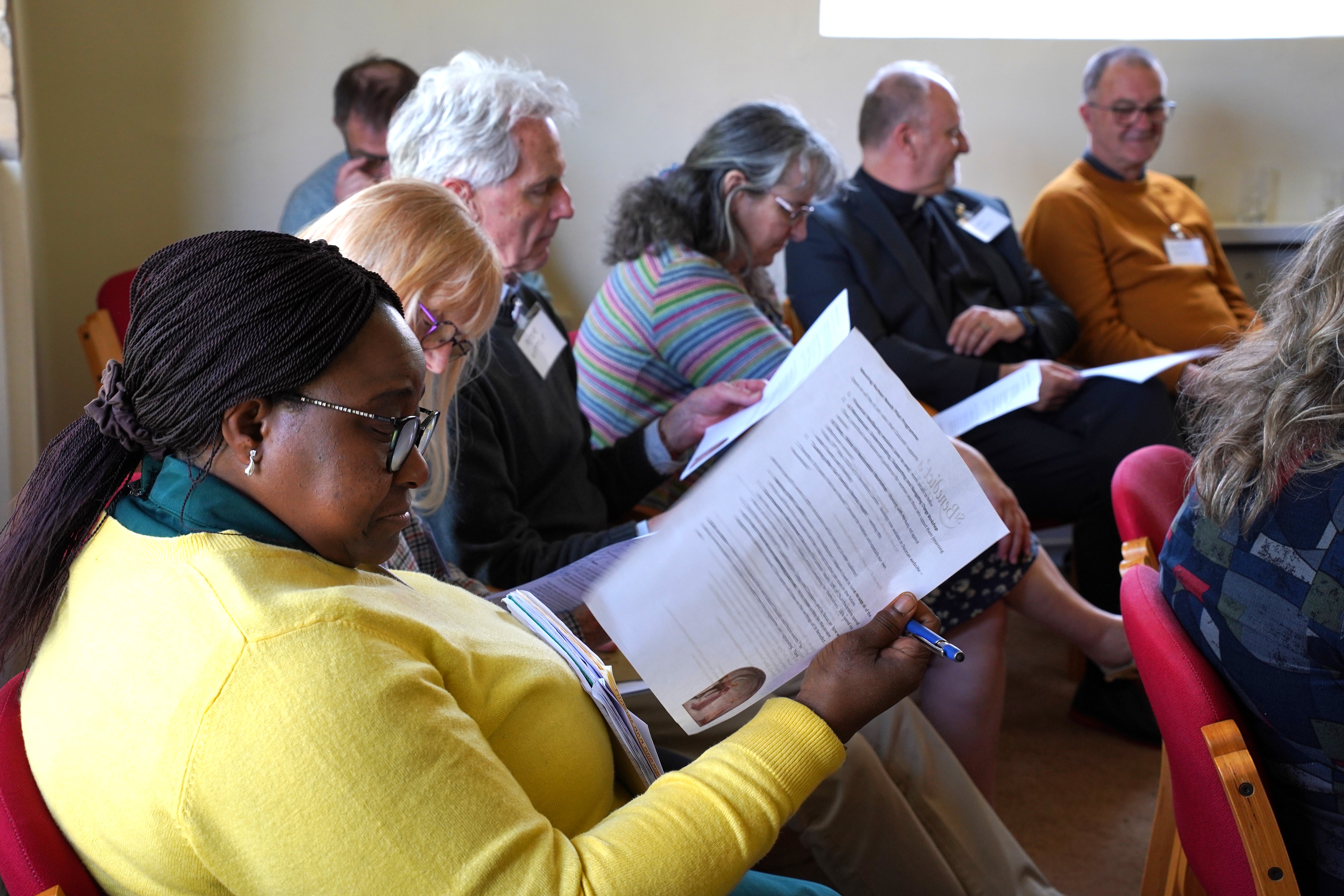
Photo: Those attending had a chance to reflect on the outcomes of the Cascade consultation and hear from a range of support organisations
Juliette Gosling, Cascade Project Lead, says that from this research, an initial set of pilot schemes have been created - some initially targeted at specific roles - offering support on a range of areas such as sleep, the menopause, burn-out, and financial worries.
Some are already available to book:
- Sleep, Stress and Restoration Workshop – Open to all role-holders. Click to book (Friday 29 May, afternoon, St Benedict’s Centre)
- Menopause: Understanding, Supporting and Navigating Change Workshop – Open to all role-holders (Friday 29 May, morning, St Benedict’s Centre) Click to book
Others will come on stream in the coming months:
- Financial Wellbeing sessions (one to one)
- Looking after Our Families’ Mental Health
- Working with Conflict (session for Headteachers)
- Churchwarden Refreshment Day (September)
- Managing ‘burn out’ (clergy and chaplains)
Juliette says, “The Cascade programme seeks to significantly increase the wellbeing provision available to clergy, lay leaders and church school head teachers, and provide a ‘front door’ through which existing support – either through the Diocese or external partners - can be gathered into a clear programme which is easier for leaders to understand and to access.”
Once the pilot activities have been evaluated, a full, workable programme of support will be developed shaped around workshops, day conferences, peer support groups, one-to-one support, and wellbeing tools/resources possibly through a digital hub.
There is also a desire to focus on contemplation and prayer, drawing on the setting of the Abbey, to develop the acknowledged links between contemplative practice and wellbeing.
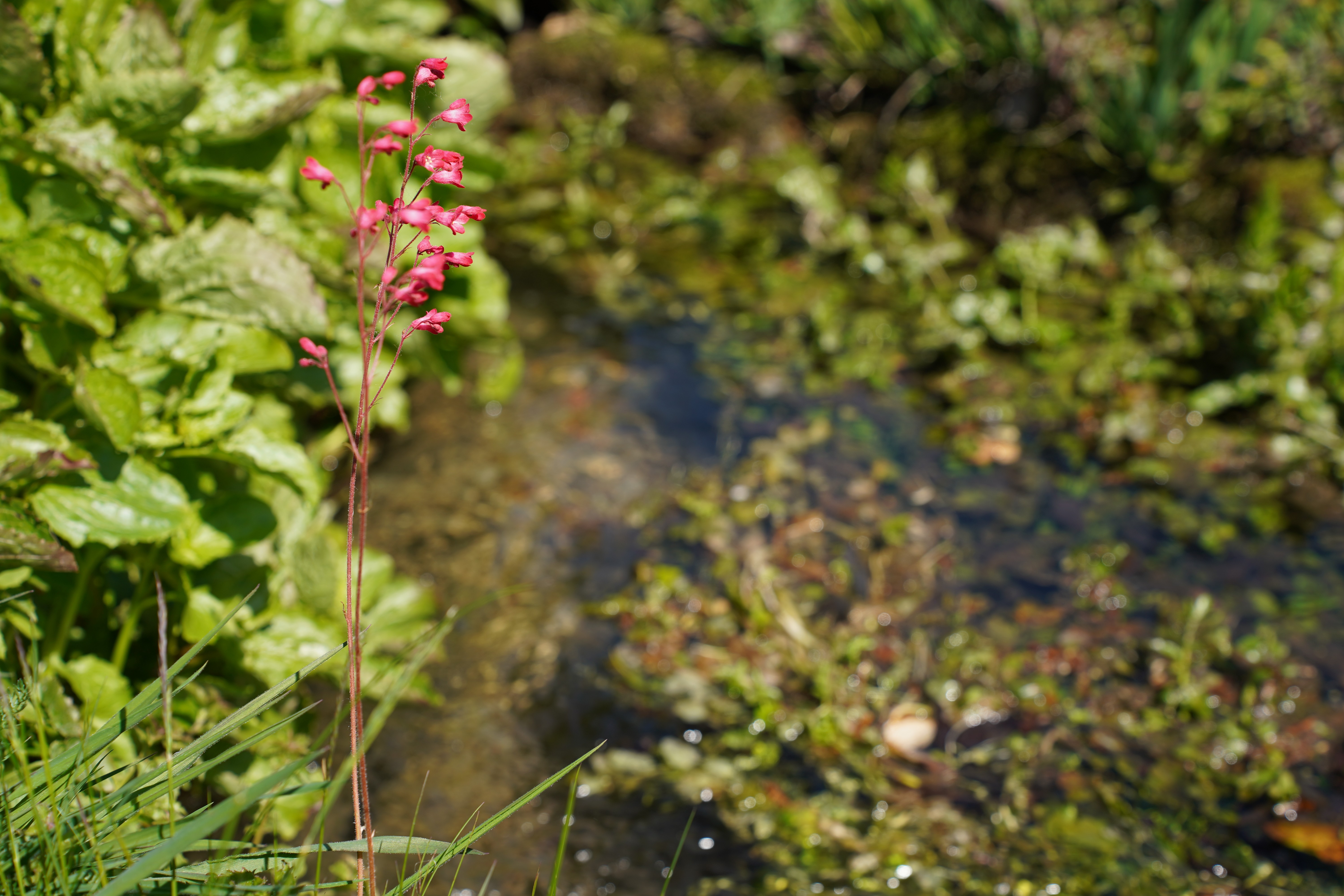
Photo: The grounds of Malling Abbey provide a tranquil setting
Bishop Adrian Newman, Chair of the St Benedict’s Centre and part of the Cascade Steering Group, says that the centre is ideally placed to host a project like Cascade.
“The beautiful setting of St Benedict’s It is independent of the Church’s institutional structure but bears the ‘family likeness’ and carries a deep understanding of the ministries of the church.
“This means that we are a trusted partner for the Diocese, a name that is well known to many clergy and lay people, and a safe space to deliver a programme that requires a degree of discretion and anonymity for participants."
The next four years of Cascade is being funded through the nearly £11million awarded by the National Church to the Diocese of Rochester in support of the Called Together vision and strategy.
For more information about Cascade please visit: www.rochester.anglican.org/for-leaders/your-wellbeing/cascade/